01
Shipment tracking and milestones
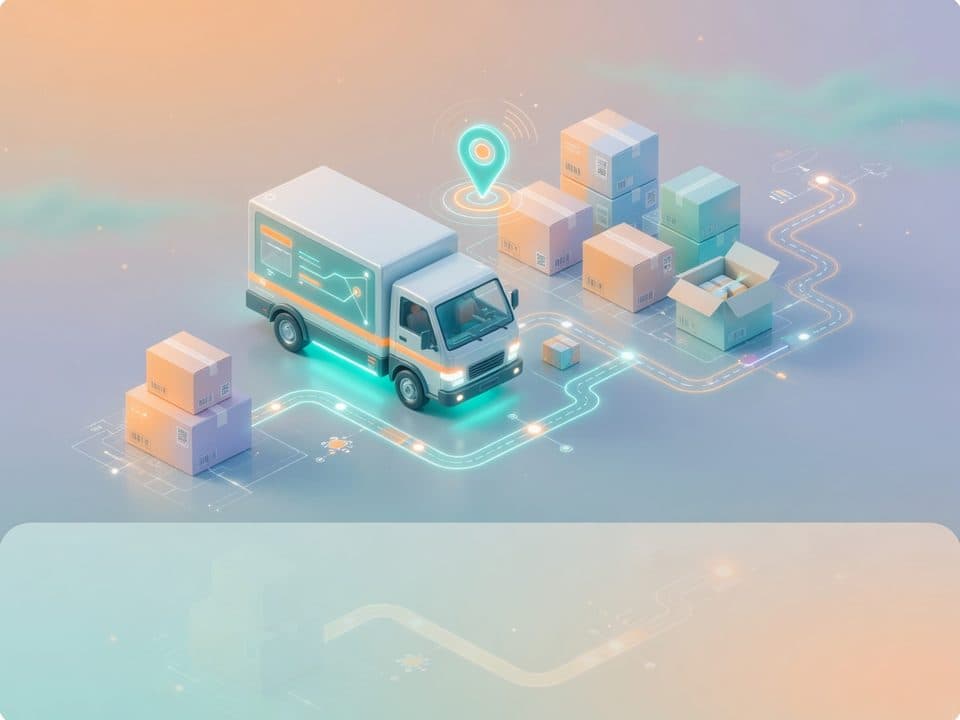
Event models for pickup, transit, delivery attempts, and proof of delivery, normalised across carriers and internal fleets.
Industry focus
Tracking, routing, and operational visibility across transport and warehouse systems, so ETAs and exceptions are grounded in real events.
Logistics software is event-driven by nature: pick confirmations, gate-ins, GPS pings, and carrier scans all update what customers and planners believe about the world. Visibility without reliable events is noise.
We build tracking platforms, routing support tools, TMS/WMS integrations, and control-tower style dashboards that turn IoT and partner feeds into actionable operational state.
The goal is not a prettier map alone, it is fewer missed appointments, clearer ETAs, and faster exception handling when the plan breaks.
How Technisal helps
We help carriers, 3PLs, and shippers connect field events, planning systems, and customer communications into one coherent operational picture.
Event models for pickup, transit, delivery attempts, and proof of delivery, normalised across carriers and internal fleets.
Tools that consume constraints (windows, capacity, skills) and present plans or recommendations for dispatchers, not black-box magic.
Integrations that surface load status, dock appointments, inventory moves, and exceptions without replacing core TMS/WMS overnight.
Ingest GPS, temperature, door, and sensor streams with de-duplication, geofencing, and late/missing event detection.
ETA calculation inputs, proactive delay notices, and self-serve tracking that reflects operational confidence, not wishful timestamps.
A practical path from shared understanding to durable outcomes in logistics.
Define milestone types, source systems, and quality rules so every partner feed maps into one operational language.
Connect TMS, WMS, telematics, and customer portals first; replace modules only where the gap is proven.
Build queues and SLAs for missed scans, temperature breaches, and failed deliveries, not only green-path dashboards.
Push reliable status and ETA changes into notifications and planning tools so humans act on the same data.
Operational visibility you can trust
Dashboards and APIs that reflect actual events and known data gaps, rather than silent stale positions.
Faster exception response
Dispatch and customer teams see problems earlier with enough context to replan or communicate.
Better ETA honesty
Estimates that update when the network reality changes, improving appointment adherence and satisfaction.
Domain realities that shape architecture, compliance, and product choices, addressed explicitly in our work.
Carrier and IoT feeds arrive late, duplicated, or out of order. Design for eventual consistency, idempotency, and confidence scores, not perfect streams.
Visualisation helps, but planners need filters, SLAs, ownership, and action paths. Invest in exception workflows as much as map UX.
Dock congestion, equipment failure, and manual scans still drive many events. Software should support human confirmation without becoming pure paper.
We often integrate and extend existing TMS/WMS platforms and build specialised visibility, tracking, and planning layers. Greenfield TMS/WMS is only pursued when scope and ownership justify it.
Yes. We normalise heterogeneous milestone feeds into a unified model so customers see consistent status language across carriers and own-fleet movements.
We combine historical travel patterns, live telematics where available, and milestone progress, and we surface uncertainty so teams do not over-promise on thin data.
Tell us which systems generate your shipment truth today. We will map a visibility and exception-handling roadmap you can implement in stages.