01
Observability foundations
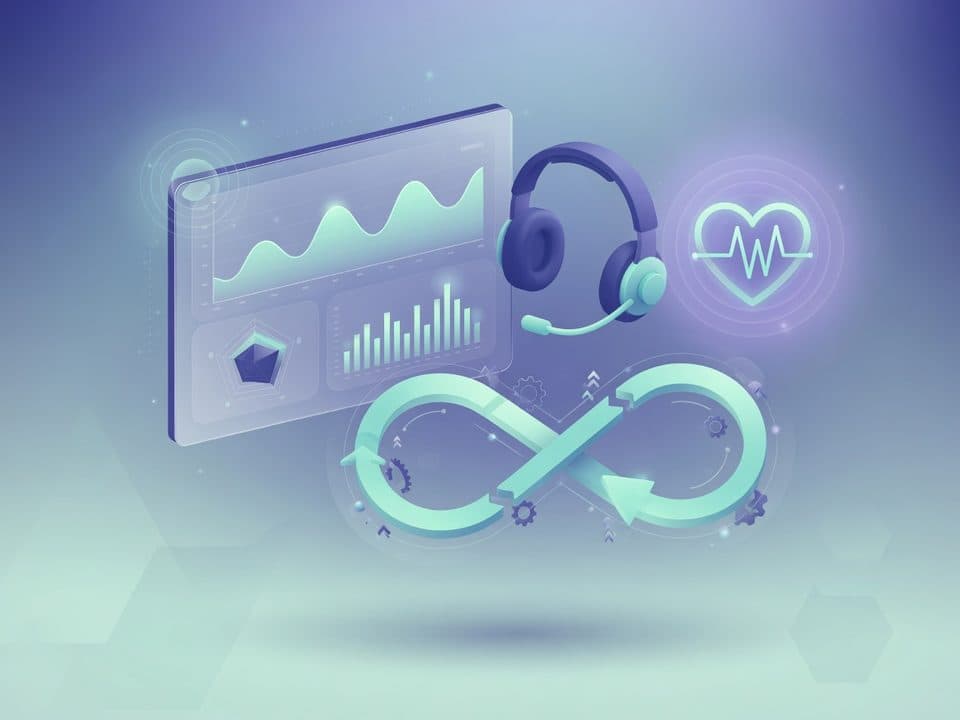
Metrics, logs, and traces wired to actionable alerts, with noise control so teams trust the pager.
Stage 7 · Operate
Operate, improve, and extend the product after launch with observability, disciplined response, and a partnership posture, not a ticket black hole.
After release, the product meets reality: real traffic, real edge cases, real dependency drift. Monitoring and ongoing support keep the system healthy and the roadmap honest by feeding production insight back into priorities.
We instrument for the signals that matter, errors, latency, saturation, and business-critical journey health, then respond with severity discipline. Chronic issues become engineering work; one-offs get fixed without creating folklore-only knowledge.
Support is also partnership: planned improvements, security upkeep, and knowledge transfer so your organization grows capability over time. Observability is not optional decoration, it is how modern products stay operable.
How Technisal helps
See problems early, fix them properly, and keep evolving the product with the same care used to build it.
Metrics, logs, and traces wired to actionable alerts, with noise control so teams trust the pager.
Severity definitions, response playbooks, and post-incident improvements that reduce repeat failures.
Dependency updates, runtime patches, certificate and secret hygiene, and backup verification.
A steady stream of fixes and enhancements prioritized jointly with product stakeholders.
Runbooks, architecture notes, and pairing so internal teams can operate with confidence.
A practical path from shared understanding to durable outcomes in monitoring and ongoing support.
Confirm monitoring coverage, access, backups, and on-call channels at handoff or engagement start.
Handle incidents by severity; capture causes and follow-up work so the same failure does not become seasonal.
Reserve time for reliability and security work alongside feature delivery, explicitly, not as leftover hope.
Regular operational reviews: trends, risks, capacity, and whether ownership should shift more in-house.
Production awareness
You know system health and user-impacting trends without waiting for support tickets to pile up.
Stable evolution
The product keeps improving while operational risk stays managed.
Durable ownership
Documentation and transfer prevent single points of human failure.
Domain realities that shape architecture, compliance, and product choices, addressed explicitly in our work.
Modern operations practice treats metrics, logs, and traces as the feedback loop for reliability. Without them, support is reactive guesswork and improvement is anecdotal.
SRE-style thinking uses reliability targets to balance feature velocity against stability. We apply the idea proportionally so chronic reliability debt is not indefinitely deferred.
A healthy partnership leaves you more capable over time, through documentation, clean access, and transferable knowledge, not more dependent on opaque heroics.
They are related. This stage describes how support sits in the delivery process after launch; the trust signal describes support as a standing capability and engagement option. Both emphasize operate-and-improve partnership.
We align with your stack when you have one (cloud-native monitoring, Datadog, Grafana, OpenTelemetry, and similar). Tool choice follows existing standards and signal needs.
Yes. Many engagements blend operational care with planned product increments under a shared backlog and capacity model.
Define the reliability bar and improvement appetite for your product. We will set up monitoring, response, and a support model that keeps production healthy.