01
Process discovery and opportunity sizing
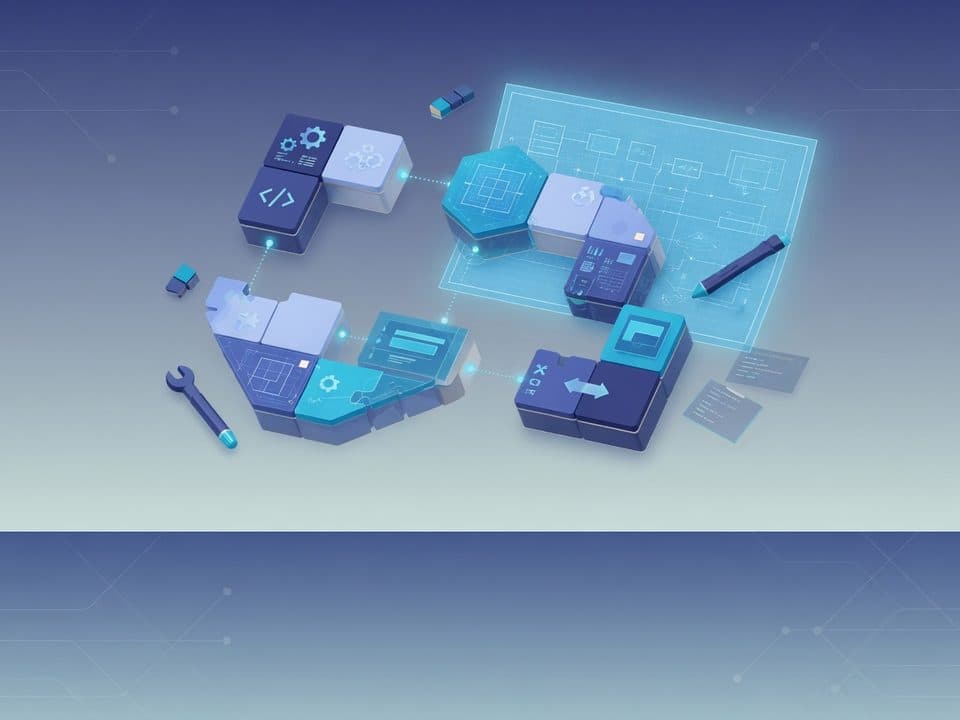
Workshops and process mapping to find volume, error cost, and integration touchpoints, so automation targets real bottlenecks rather than isolated tasks.
Intelligent operations
Intelligent workflows that reduce manual effort across operations, support, and product teams.
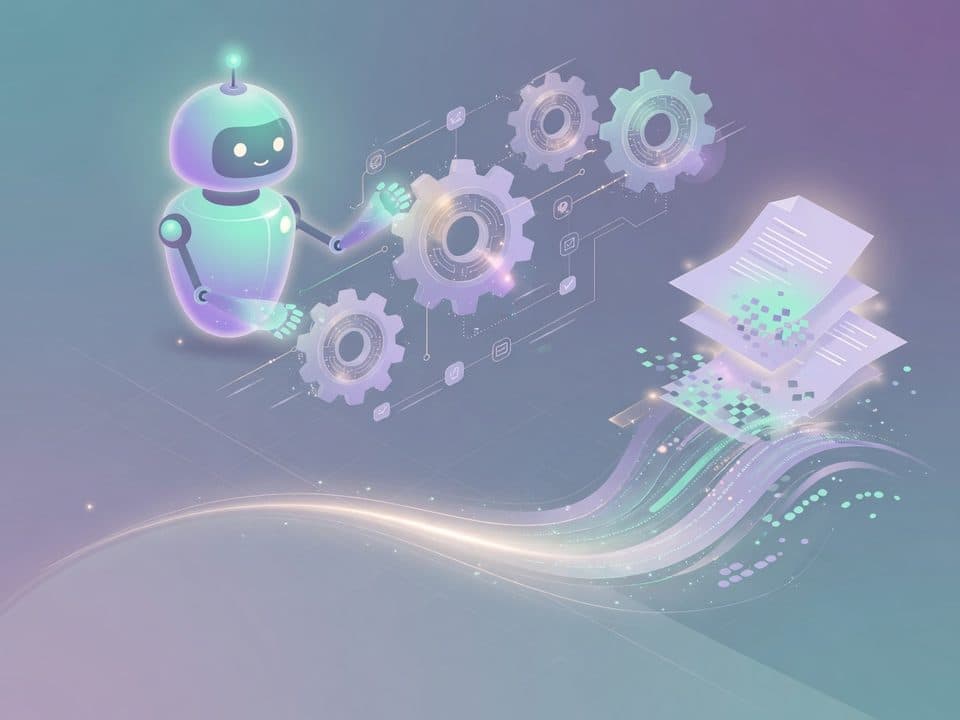
Much operational work is still glued together by copy-paste, inboxes, and tribal knowledge. AI-powered automation goes beyond fixed scripts: it can classify documents, extract fields, route exceptions, and draft responses, while keeping humans in the loop where risk is high.
Technisal designs automation as a system of triggers, rules, integrations, and model-assisted steps, not a single bot demo. We often combine RPA or workflow engines for deterministic system clicks with LLMs and classifiers for unstructured inputs, always with audit trails and clear escalation paths.
The result is fewer repetitive hours, faster cycle times, and processes that scale without proportional headcount, without pretending every decision should be fully autonomous on day one.
How Technisal delivers
We map the process end to end, automate the high-volume low-risk steps first, and add AI only where it measurably improves quality or coverage.
Workshops and process mapping to find volume, error cost, and integration touchpoints, so automation targets real bottlenecks rather than isolated tasks.
Orchestrated flows across APIs, forms, and legacy UIs when stable systems lack modern integrations, with retries, credentials management, and logging.
Extraction, classification, summarization, and draft generation for emails, tickets, PDFs, and chat, with validation rules and human review gates.
Queues and SLAs for cases the model or rules cannot resolve confidently, so automation does not silently drop high-risk work.
Success rates, cycle-time metrics, and review of failure modes so bots and prompts improve after go-live instead of rotting in production.
A practical path from shared understanding to durable outcomes in ai-powered automation.
Document steps, systems, data, and compliance constraints. Identify where humans add judgment versus where work is pure swivel-chair effort.
Choose rules, RPA, APIs, and AI components deliberately; define confidence thresholds, approvals, and rollback for each step.
Automate a bounded path with measurement, train operators on exception handling, and compare outcomes before expanding scope.
Standardize logging, credentials, versioning of flows and prompts, and a backlog of the next process candidates.
Less manual thrash
Repetitive multi-system tasks move to reliable workflows, freeing specialists for exceptions and higher-value work.
Faster cycle times
Intake, routing, and first drafts complete in minutes rather than queue days, without removing required approvals.
Controlled AI use
Language models assist where unstructured data dominates, with audit trails and human gates where risk requires them.
Domain realities that shape architecture, compliance, and product choices, addressed explicitly in our work.
Industry analyses of RPA programs often find brittle bots when underlying processes and UIs change frequently. Combining API-first integration with selective UI automation improves durability.
Generative models can hallucinate or mishandle sensitive data. Production automation practice favors constrained extraction, retrieval grounding, and human approval for irreversible actions.
Automation maturity frameworks emphasize cycle time, error rate, and exception volume, not the number of deployed robots. Those operational metrics guide where to invest next.
No. Chat interfaces may be one channel, but most value comes from backend workflows: document intake, system updates, routing, and notifications. We start from the process, not from a chatbot template.
We can use approved RPA or integration middleware for legacy UIs, while planning API or event-based connectors where they reduce long-term fragility. Security and credential handling are designed with your IT team.
Confidence thresholds, schema validation, dual-control for high-impact actions, and sampled human review. Autonomy increases only where measured accuracy supports it.
Describe a process with high volume and clear pain. We will assess what should be rules, RPA, or AI, and where humans stay in control.