01
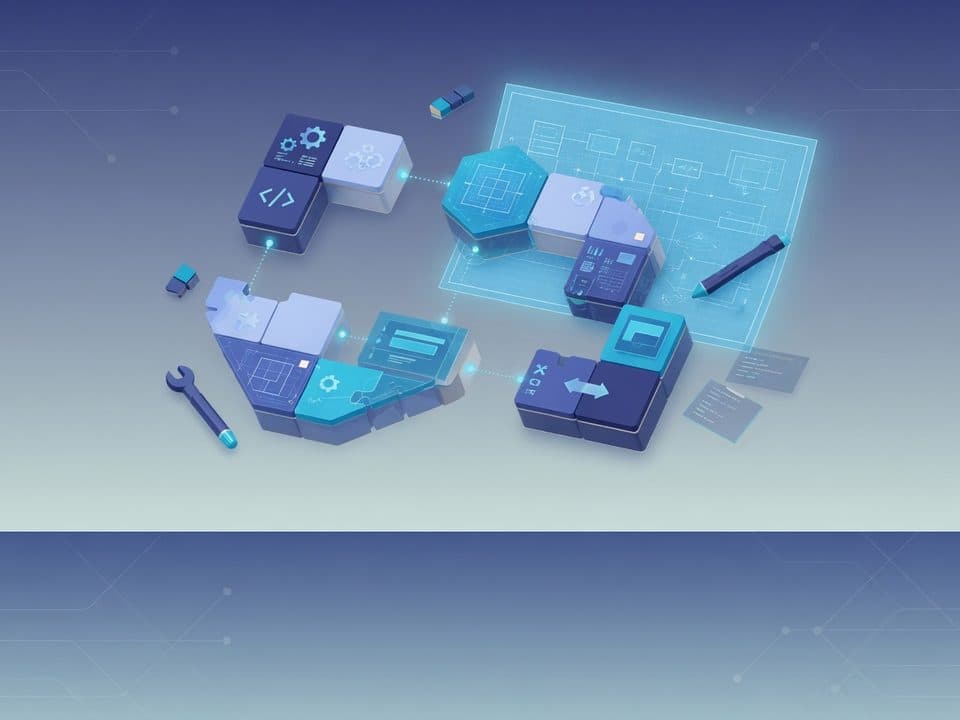
Landing zones and foundation design
Account/subscription structure, identity federation, network topology, logging baselines, and guardrails for safe multi-team growth.
Service
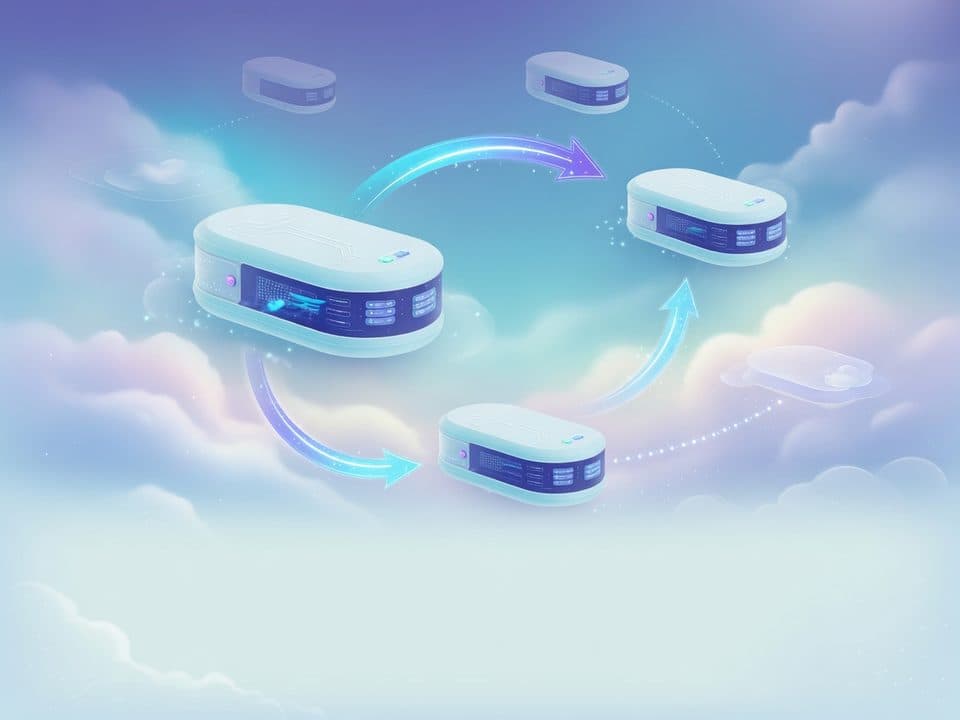
Cloud-native architecture, migration, and optimization across major cloud providers.
Cloud is not a destination checkbox. It is a set of trade-offs: managed services vs operational control, multi-region resilience vs complexity, and elasticity vs ungoverned spend.
Technisal designs and implements cloud architectures on AWS, Azure, and GCP that match product stage and risk profile, landing zones, networking, identity, workloads, and data paths that operators can reason about.
Whether you are migrating from on-prem, modernizing lift-and-shift estates, or building cloud-native from day one, we focus on reproducible infrastructure, secure defaults, and cost visibility.
How Technisal delivers
We treat cloud as product infrastructure: secure foundations, right-sized services, and paths to operate without heroics.
Account/subscription structure, identity federation, network topology, logging baselines, and guardrails for safe multi-team growth.
Containers, serverless, VMs, and managed data services chosen for traffic patterns, team skills, and failure modes, not fashion.
Discovery of dependencies, phased move patterns (rehost, replatform, refactor), and cutover plans that protect business continuity.
When regulatory, latency, or vendor strategy requires it, clear boundaries so multi-cloud does not mean duplicated chaos.
FinOps-aware design, SLOs, backup and recovery testing, and telemetry that makes production behavior visible.
A practical path from shared understanding to durable outcomes in cloud engineering.
Inventory workloads, data gravity, compliance needs, skills, and spend drivers before proposing target architecture.
Identity, network, policy, and observability foundations so application teams land on a safe, repeatable platform.
Move by business capability or risk tier; prove patterns on non-critical systems before core revenue paths.
Use metrics on reliability, latency, and cost to right-size services and retire over-provisioned or unused resources.
Infrastructure you can reproduce
Environments defined as code with clear promotion paths, not snowflake servers nobody dares touch.
Safer defaults at scale
Identity, network, and logging baselines that reduce misconfiguration risk as more teams deploy.
Spend with a story
Architecture and tagging that make cost attributable and optimizable rather than a monthly surprise.
Domain realities that shape architecture, compliance, and product choices, addressed explicitly in our work.
Cloud economics research and practitioner reports show that rehosting VMs without rightsizing, storage tiering, or managed services often increases cost. Migration value appears when architecture matches elasticity and operational model.
Running equivalent platforms on multiple providers for theoretical portability can double tooling and skills burden. Multi-cloud is justified by concrete constraints (sovereignty, acquisition, best-of-breed services), not by default.
Providers secure the cloud; customers secure what they put in it. Identity misconfiguration, public data stores, and unpatched images remain common incident causes, foundations must encode least privilege and continuous monitoring.
The one that fits your existing skills, data residency needs, and required managed services. We are multi-cloud capable and will recommend based on constraints, not a preferred logo.
Yes. We often co-design foundations and golden paths so product teams can self-serve within guardrails you own.
Through architecture choices, budgets and alerts, tagging, reserved/savings planning where appropriate, and regular review of idle resources, not only after the bill spikes.
Tell us your current estate, providers, and growth plans. We will propose a practical target architecture and migration or build path.