01
Infrastructure architecture and hardening
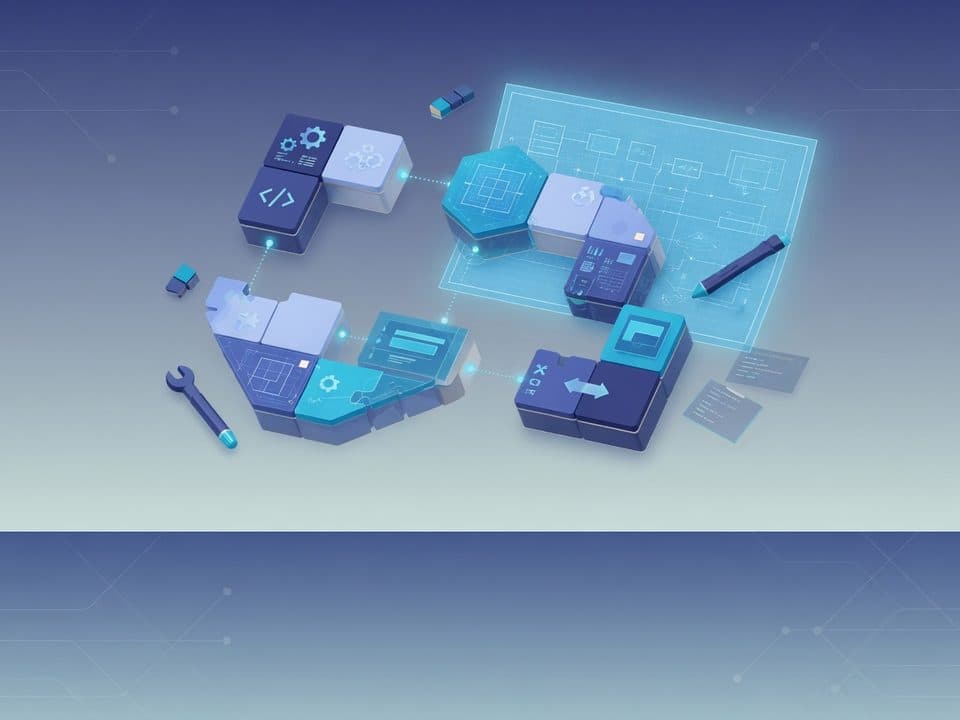
Network segmentation, identity and access patterns, baseline OS and service hardening, and environment separation (dev/stage/prod) aligned with your risk profile.
Platform operations
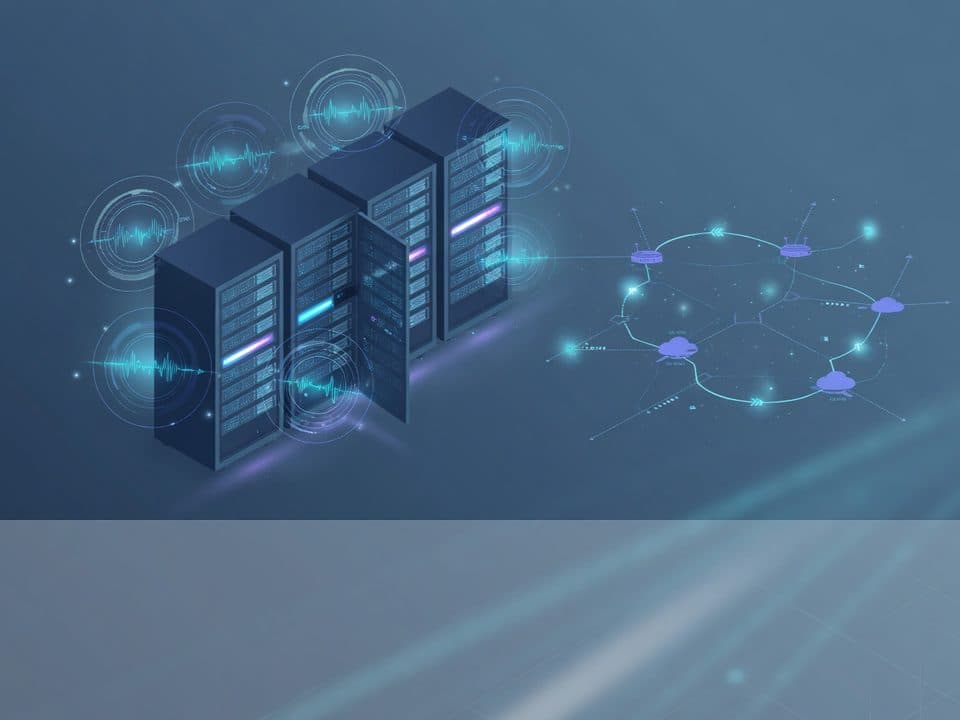
Secure infrastructure design, monitoring, and operations support for modern digital products.
Digital products depend on infrastructure that is easy to ignore until it fails. IT infrastructure services cover how compute, network, identity, storage, and observability are designed and run, whether on cloud, hybrid, or managed environments.
Technisal helps teams move from ad-hoc servers and tribal runbooks to intentional architecture: least-privilege access, baseline hardening, monitoring that pages on symptoms that matter, and operational practices that match your release cadence.
We work alongside your developers and IT stakeholders so infrastructure enables delivery rather than becoming a bottleneck, secure by default, observable in production, and documented for the people who will operate it after we hand off.
How Technisal delivers
We design for the failure modes you will actually face, capacity, change, identity, and blind spots, and leave you with systems and playbooks your team can run.
Network segmentation, identity and access patterns, baseline OS and service hardening, and environment separation (dev/stage/prod) aligned with your risk profile.
Landing zones, account or subscription structure, networking, and shared services that give product teams safe paths to deploy without shadow IT.
Metrics, logs, and traces with actionable alerts, tuned to reduce noise, so incidents are detected from user-impacting symptoms, not only from dead hosts.
Backup policies, restore testing, and documented recovery objectives so ransomware, region issues, or operator error do not become existential events.
On-call friendly procedures, change checklists, and knowledge transfer so day-2 operations do not depend on a single administrator’s memory.
A practical path from shared understanding to durable outcomes in it infrastructure services.
Review architecture diagrams, access paths, monitoring gaps, and recent incidents. Prioritize fixes by blast radius and business criticality.
Agree environment standards, security baselines, observability stack, and who owns what once systems are live.
Apply infrastructure changes as code where practical, wire monitoring and backups, and validate with restore and failover exercises where relevant.
Deliver runbooks, alert ownership, and a recommended review cadence for capacity, patches, and access audits.
Fewer surprise outages
Monitoring and recovery practices surface issues earlier and make restoration predictable when failures occur.
Stronger security posture
Hardened baselines, segmented networks, and cleaner identity reduce common paths attackers and mistakes exploit.
Operable platforms
Documented systems and clear ownership let your team run infrastructure confidently after delivery.
Domain realities that shape architecture, compliance, and product choices, addressed explicitly in our work.
SRE practice emphasizes service-level indicators and actionable alerts over collecting every possible metric. Noise trains teams to ignore pages; design should favor signals tied to user impact.
Security guidance across major cloud providers treats identity and access management as foundational. Over-privileged accounts and long-lived credentials remain common root causes in breach reports.
Industry incident postmortems frequently show that backup systems failed only when restore was attempted. Scheduled restore drills are a standard reliability control.
We support cloud-first, hybrid, and selected on-prem patterns. The design principles, least privilege, observability, recovery, are the same; tooling choices adapt to your environment.
Cloud engineering and DevOps often own delivery pipelines and platform automation. Infrastructure services emphasize secure runtime foundations, monitoring, and day-2 operations. We coordinate so those layers reinforce each other.
Engagements can include build-and-handoff or extended operational support depending on your team capacity. We clarify ownership, SLAs, and escalation paths up front.
Share your environment, reliability goals, and pain points. We will propose a secure design and operations plan your team can own.