01
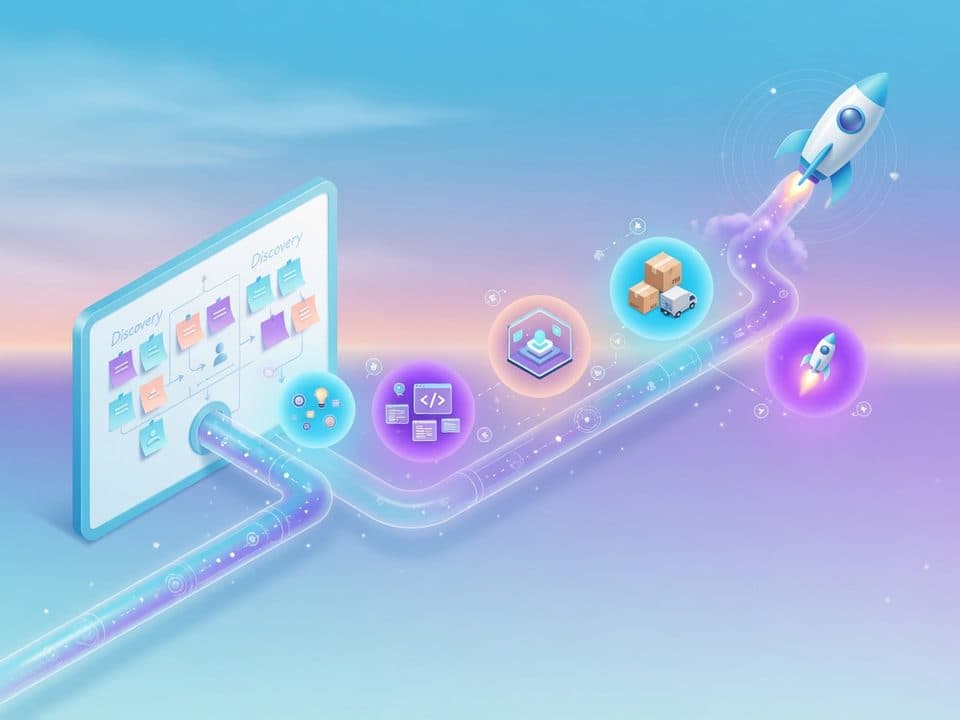
Discovery through roadmap
Workshops, requirement shaping, and technical strategy that turn intent into sequenced, estimable work.
End-to-end delivery
Full-path product delivery from discovery and design through engineering, quality, release, and post-launch support, owned as one coherent program.
Fragmented delivery, separate agencies for design, build, and ops, creates gaps at every handoff. Technisal covers the software lifecycle as a connected practice so requirements, architecture, UX, implementation, testing, and release stay aligned under shared ownership.
We structure work for clarity: discovery that produces decision-ready scope, technical planning that surfaces risk early, iterative development with visible progress, and quality gates that protect production. Launch is treated as an engineered event, not a calendar date with hope attached.
Engagement models flex between project-based delivery and dedicated team support. In both cases you get explicit roles, communication cadence, and artifacts that remain useful after the build team steps back.
How Technisal helps
One accountable path from problem framing to running software, without orphaned design or unowned infrastructure.
Workshops, requirement shaping, and technical strategy that turn intent into sequenced, estimable work.
UX flows, UI systems, and brand-aligned interfaces that developers can implement without guesswork.
Web, mobile, backend, and integration development with code quality standards and incremental demos.
Automated tests, environment promotion, CI/CD, and rollback-aware deployments that make launches boring in the best way.
Monitoring, support, and continuous improvement so the product keeps matching reality after go-live.
A practical path from shared understanding to durable outcomes in delivery capabilities.
Agree success criteria, constraints, and decision rights before committing to a large build plan.
Break delivery into vertical slices that prove user value and technical risk early, not only horizontal layers.
Sprint or milestone rhythms with demos, risk logs, and clear ownership of blockers across product and engineering.
Security, performance, observability, and runbooks are part of the definition of done, not a separate late phase.
Fewer handoff failures
Design, engineering, and release share context so intent does not degrade as work moves stages.
Predictable progress
Stakeholders see working software and open risks regularly instead of a long silent build.
Launch readiness
Environments, tests, and operational hooks exist before the go-live window, not during it.
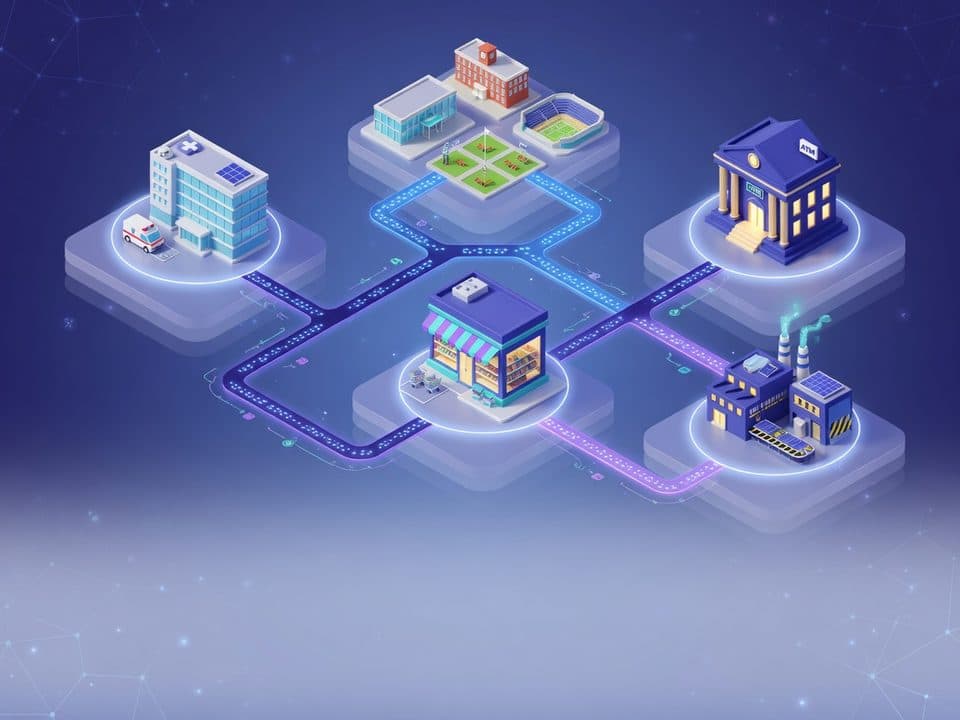
Domain realities that shape architecture, compliance, and product choices, addressed explicitly in our work.
Studies of multi-vendor delivery and the classic SDLC show that most defects and delays originate at interfaces between teams. Keeping discovery through support under coordinated ownership shrinks that interface tax.
Iterative execution without a lightweight architecture and roadmap drifts into thrash. We combine adaptive sprints with intentional planning so change is managed, not chaotic.
DevOps research (including DORA-style findings) links deployment automation, testing, and monitoring to better delivery performance. We treat those capabilities as part of product delivery, not optional extras.
Yes. We can join at discovery, take over an existing build, harden a pre-launch product, or provide post-launch support. End-to-end is our strength, not a requirement.
We plug into your tools and rituals where they already work, backlog, design reviews, standups, and fill gaps in engineering, design, or DevOps without forcing a parallel process.
A short discovery or technical assessment that produces scope clarity, risks, and a recommended delivery plan. That protects both sides before a large commitment.
Describe the product outcome you need. We will propose a delivery shape, project or team, that covers the stages that matter for your risk profile.