01
Threat-aware design
Identify assets, trust boundaries, and abuse cases early so architecture choices reduce attack surface before code multiplies.
Secure by default
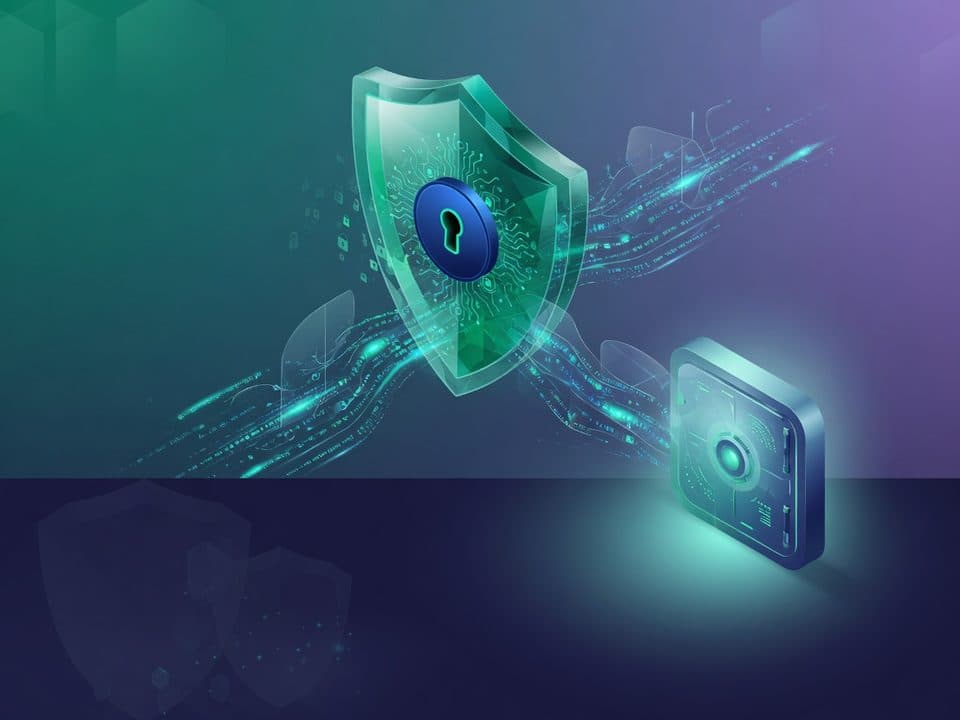
Security woven into design and delivery: least privilege, careful data handling, secure defaults, and practical risk reduction, not a last-week checklist.
Most production incidents that damage trust start as ordinary product decisions: overly broad roles, leaked secrets, trusting client input, or shipping debug paths into production. We treat security as continuous engineering practice, not a separate bolt-on after features freeze.
Our baseline draws on established guidance such as OWASP application security priorities: protect authentication and session handling, validate and encode untrusted input, enforce authorization on every sensitive action, and keep dependencies and configurations under control.
We calibrate rigor to risk. A public marketing site and a multi-tenant platform with financial or health data do not share the same threat model, but both deserve intentional defaults, clear access models, and evidence that controls actually work.
How Technisal helps
Practical controls that developers can implement and operators can verify, without theater that slows delivery for no risk reduction.
Identify assets, trust boundaries, and abuse cases early so architecture choices reduce attack surface before code multiplies.
Implement authentication, authorization, and session patterns with least privilege, short-lived credentials, and auditable role models.
Harden APIs and UIs against common classes of weakness: injection, broken access control, insecure deserialization, and misconfiguration.
Keep credentials out of repositories, rotate keys, scan dependencies, and patch with a defined response path for high-severity findings.
Provide logs, access reviews, and test results that support customer questionnaires, internal audits, and due diligence without reinventing the story each time.
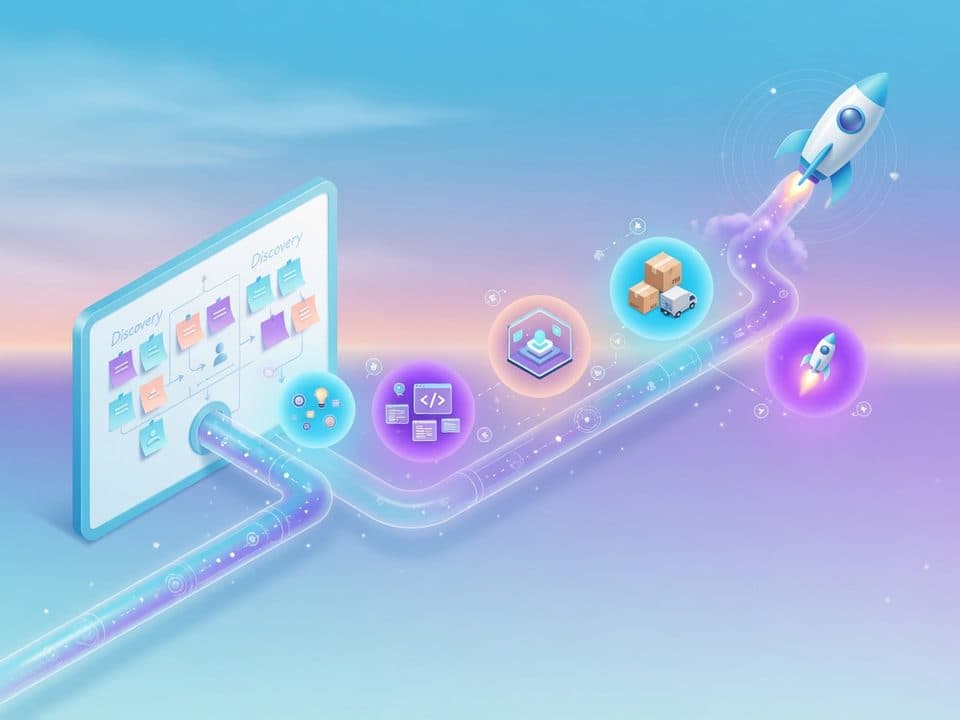
A practical path from shared understanding to durable outcomes in security-focused development.
Map what is sensitive, who needs access, and where data crosses system boundaries, including third parties.
Choose patterns for authn/authz, encryption in transit and at rest where required, and safe multi-tenancy before feature velocity accelerates.
Lint, SAST/dependency scanning, secret detection, and security-focused tests run in CI so regressions fail builds early.
Schedule focused security reviews for high-risk changes and maintain a clear path for triage when new vulnerabilities appear.
Reduced default risk
Common vulnerability classes are addressed by platform patterns rather than individual developer memory.
Clearer access stories
Who can do what, and why, is explicit for product, support, and audit conversations.
Faster diligence answers
Controls and evidence are documented as you build, so security questionnaires are not archaeological digs.
Domain realities that shape architecture, compliance, and product choices, addressed explicitly in our work.
Industry breach analyses repeatedly surface broken access control, injection, and misconfiguration. Aligning delivery practices with OWASP ASVS/Top risk themes is a practical way to focus effort where failures actually hurt.
Security research and engineering economics agree: defects found in design or CI cost far less than production fixes under incident pressure. We invest in early controls without pretending zero risk is achievable.
Over-broad admin roles are often a product shortcut, not only an IT failure. We push for role design that matches real jobs-to-be-done so security does not depend on tribal restraint.
We implement secure development practices and can coordinate or prepare systems for independent penetration tests. For regulated or high-risk launches we recommend third-party testing as part of the go-live plan.
Yes. We adapt to your identity providers, logging standards, cloud controls, and review gates, and we document where product design needs to meet those policies halfway.
Access is limited to people who need it, environments are separated where appropriate, and we operate under confidentiality agreements with agreed handling of production-like data.
Share your threat context and compliance pressures. We will propose security practices that match the real risk of your product, not a generic checkbox set.