01
Fit-first stack selection
Map requirements to runtimes, frameworks, and data stores with explicit criteria: latency, team familiarity, licensing, hosting model, and exit cost.
Engineering stack
Modern web, mobile, cloud, data, and AI stacks selected for product fit, team velocity, and long-term maintainability, not fashion.
Technology choices shape cost of change for years after launch. We select frameworks, runtimes, data stores, and platforms against product goals, team skills, compliance constraints, and the expected life of the system, not against whatever is trending in a given quarter.
Our working range covers frontend and backend application stacks, mobile, cloud infrastructure, DevOps tooling, databases, data engineering, and practical AI/ML systems. Within that range we bias toward well-supported ecosystems, clear ownership models, and patterns that hiring markets and open-source communities still sustain.
When a legacy constraint or client standard requires a specific platform, we work inside it deliberately, documenting trade-offs, isolation boundaries, and a path to evolve rather than forcing a rewrite that the business cannot absorb.
How Technisal helps
Stack decisions are product decisions. We make them visible, reversible where possible, and grounded in maintainability.
Map requirements to runtimes, frameworks, and data stores with explicit criteria: latency, team familiarity, licensing, hosting model, and exit cost.
Ship across web, mobile, APIs, cloud, and data layers with consistent engineering standards instead of siloed handoffs between specialists.
Prefer managed services and proven patterns on AWS, Azure, and GCP when they reduce operational load without locking you into opaque black boxes.
Introduce pipelines, analytics, and model-backed features only when they improve decisions or product value, not as decorative complexity.
Enforce typing, linting, testing, and module boundaries so the stack remains understandable for the people who will own it after launch.
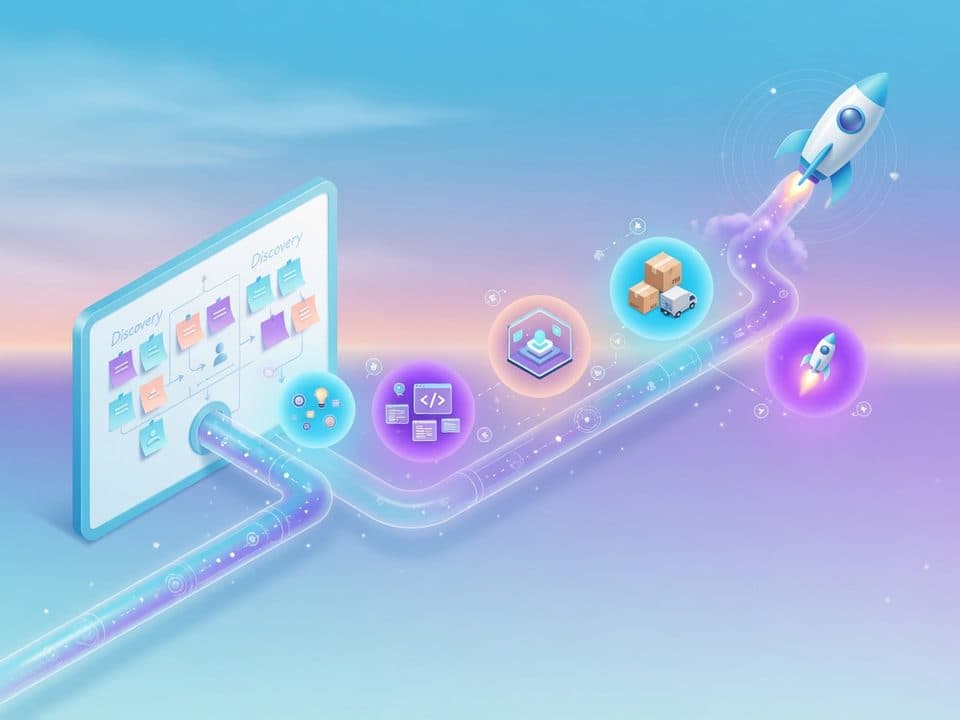
A practical path from shared understanding to durable outcomes in technologies used.
Capture non-negotiables: existing systems, skill inventory, compliance, budget envelope, and timeline before recommending tools.
Present short-listed stacks with trade-offs on velocity, operations, talent availability, and long-term cost of ownership.
Lock a thin, documented baseline, service boundaries, data ownership, auth, and observability, before feature volume grows.
Revisit stack choices when scale, team composition, or product scope shifts; prefer incremental extraction over big-bang rewrites.
Lower rewrite risk
Choices favor ecosystems with durable support so you are not forced into emergency migrations mid-growth.
Faster onboarding
Mainstream, well-documented tools help internal teams and future partners contribute without tribal knowledge.
Clearer total cost
Licensing, hosting, and operational effort are considered up front instead of surfacing as surprise run costs later.
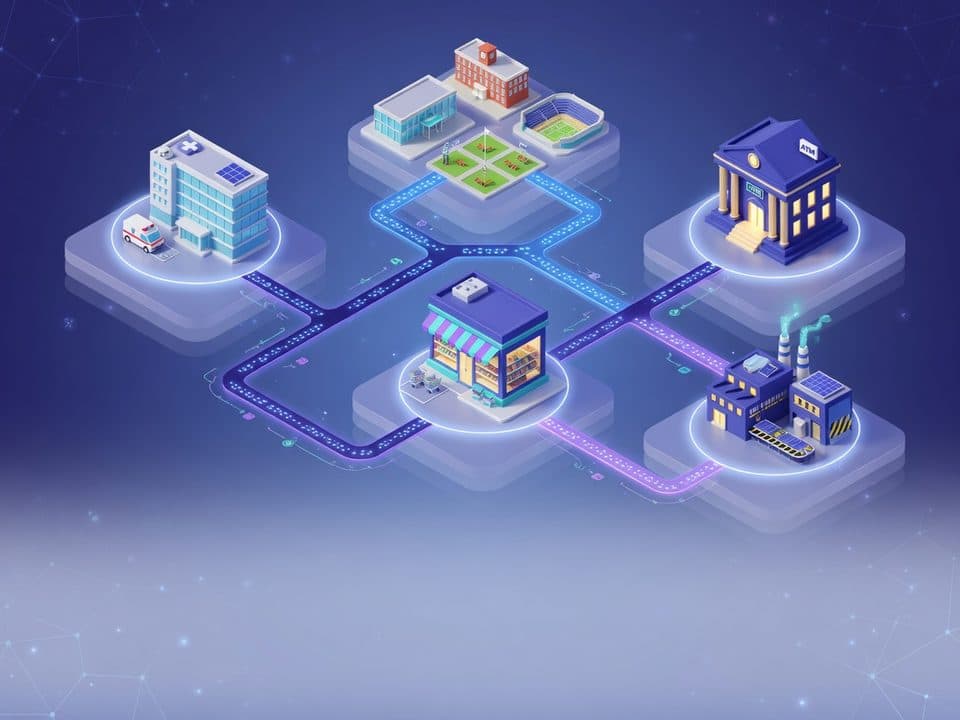
Domain realities that shape architecture, compliance, and product choices, addressed explicitly in our work.
Industry analyses of technical debt consistently show that poorly chosen or poorly integrated stacks inflate long-term cost more than initial build speed. We weight ecosystem maturity, documentation quality, and hiring supply alongside raw feature checklists.
Multiple languages and frameworks can be justified for domain isolation or performance, but unmanaged polyglot estates raise cognitive load. We default to a coherent core stack and introduce new runtimes only with clear ownership boundaries.
Cloud and SaaS accelerators reduce undifferentiated work, yet vendor lock-in is a real risk. We document data export paths, abstraction points, and replacement cost for services that sit on the critical path.
No. We have strong defaults for greenfield work, but we adapt to your standards, existing systems, and team skills. The goal is a maintainable solution, not a forced technology agenda.
Yes. We frequently extend or modernize systems in place, adding APIs, modularizing monoliths, or introducing new services alongside legacy components with clear integration contracts.
We score options against requirements, operational model, cost envelope, compliance, and team readiness. Recommendations include trade-offs and what would change the decision later.
Share your goals, constraints, and existing systems. We will recommend a practical technology baseline and a delivery path that stays maintainable as you grow.