01
Monitoring and alerting
Health checks, error rates, latency signals, and business-critical journey monitors with alert noise kept under control.
After launch
Post-launch partnership for monitoring, reliability, security updates, and continuous improvement, so production does not become an orphan.
Launch is a midpoint, not a finish line. Real users stress paths that tests never hit, dependencies release breaking changes, and the product roadmap keeps moving. Long-term support is how software stays trustworthy after the celebratory deploy.
We structure support in an SRE-informed way: observe what matters, respond with severity-based discipline, fix root causes when noise becomes chronic, and plan improvements instead of only firefighting. The goal is a product that remains operable by your team and ours.
Support engagements can be light-touch maintenance or deeper co-ownership of the platform, always with documentation, access control, and a clear path to hand more responsibility to internal staff when you are ready.
How Technisal helps
Operate the system you have, improve the system you need next, under agreements that match your risk tolerance.
Health checks, error rates, latency signals, and business-critical journey monitors with alert noise kept under control.
Severity-based response for production issues, with post-incident notes that turn outages into permanent fixes where warranted.
Patch cycles for frameworks, OS images, and libraries; credential rotation support; and response to newly disclosed vulnerabilities.
Address slow queries, capacity bottlenecks, and flaky integrations before they become user-visible chronic pain.
Backlog of improvements and features delivered on a steady cadence alongside operational care.
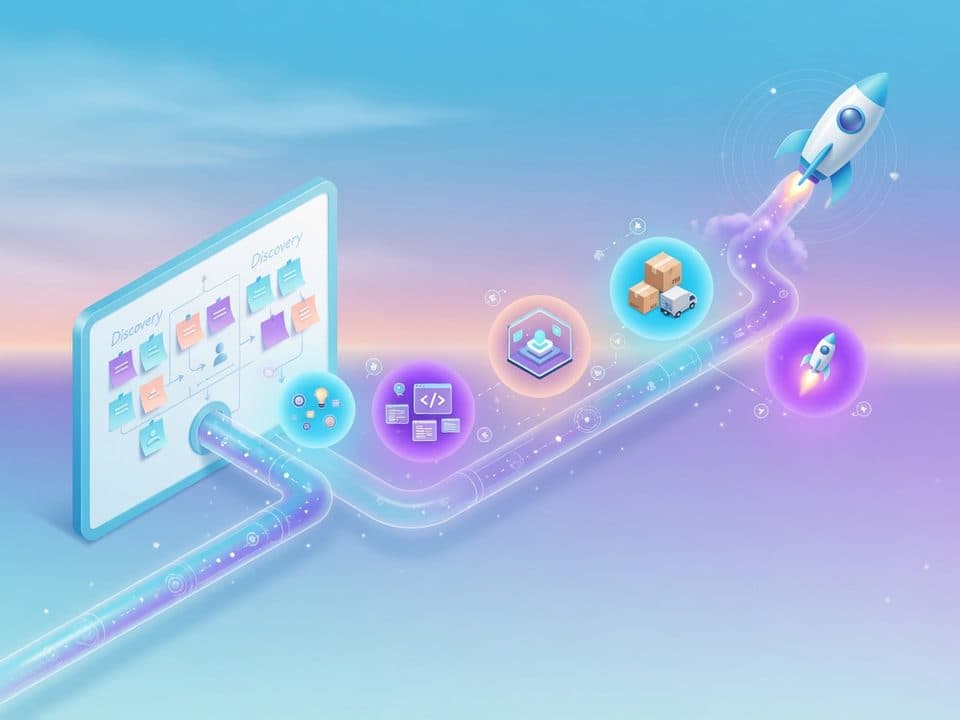
A practical path from shared understanding to durable outcomes in long-term technical support.
Confirm runbooks, access, environments, backup/restore, and monitoring coverage right after launch or at engagement start.
Define severities, channels, hours of coverage, and escalation paths so expectations are contractual and practical.
Burn down recurring incidents and toil first; then invest capacity in reliability and product enhancements.
Periodic reviews of incident themes, capacity, and roadmap so support effort tracks real risk and product priorities.
Known production pulse
You see system health and trends instead of discovering problems only through customer complaints.
Controlled change
Fixes and upgrades ship through the same quality habits as the original build, not ad-hoc hotfixes that create new debt.
Continuous product fit
The platform evolves with your users while remaining operable and documented.
Domain realities that shape architecture, compliance, and product choices, addressed explicitly in our work.
Site reliability engineering emphasizes error budgets, toil reduction, and actionable alerts. We apply those ideas proportionally so support time goes to user-impacting issues rather than pager fatigue.
Industry data on technical debt and unmaintained dependencies shows that deferred upkeep eventually forces expensive, risky catch-up projects. Steady support avoids that cliff.
Long-term partnership should increase your optionality. Documentation, access hygiene, and knowledge transfer ensure you can grow internal ownership without starting from zero.
No. Engagements can include monitoring, security updates, performance work, small enhancements, and planned feature delivery, scoped to the agreement you choose.
Coverage models vary by engagement. We define hours, severities, and escalation clearly so you know what is included rather than assuming unlimited on-call by default.
Yes. We start with a structured assessment, architecture, risks, observability, and access, then propose a stabilization and support plan before committing to SLAs.
Tell us how critical the system is and what coverage you need. We will propose a support model that balances reliability work with continued product improvement.